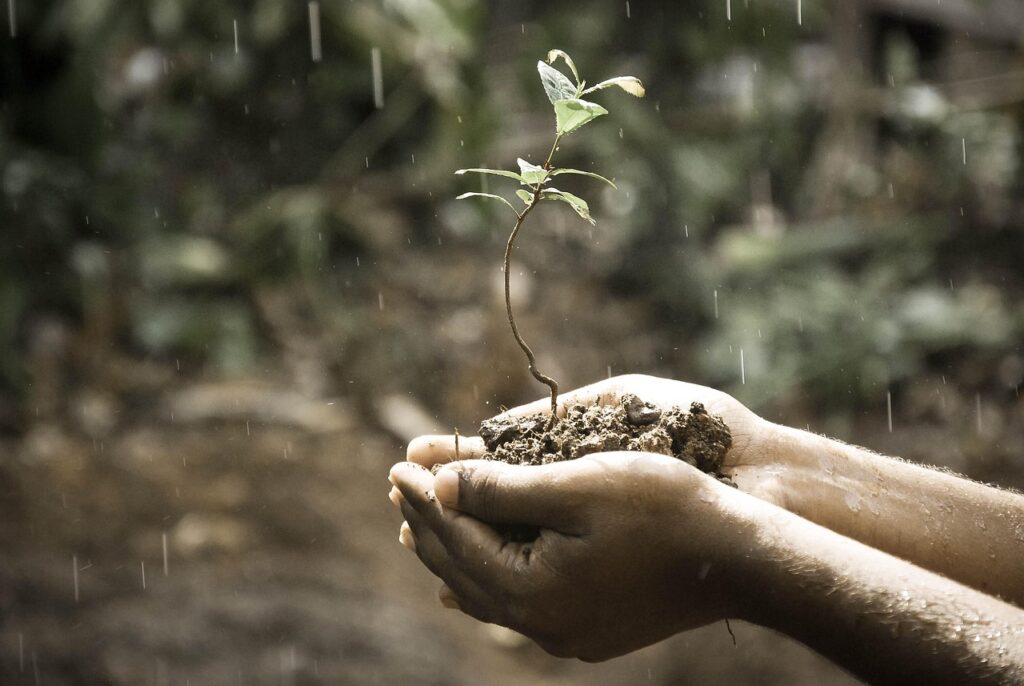
Regenerating the Earth’s Soil
You might not realize it, but regenerating the Earth’s soil is essential for our future.
Healthy soil supports food security, boosts biodiversity, and helps mitigate climate change.
By adopting innovative techniques, you can make a tangible difference.
But what methods truly work?
And how does biodiversity fit into this equation?
Understanding these connections could reshape how we approach agriculture and the environment and help mitigate climate change through stewardship.
Let’s explore what it takes to restore our planet’s vital resources.
The Urgent Need for Soil Regeneration
As you explore the world around you, it’s impossible to ignore the alarming decline in soil health.
This deterioration threatens food security, biodiversity, and climate stability.
You might notice barren fields, reduced crop yields, and desertification creeping into once-fertile areas.
Industrial agriculture, deforestation, and pollution are major culprits, stripping away nutrients and disrupting ecosystems.
With soil erosion happening at an alarming rate, the foundations of life are at risk.
You may find it unsettling that without immediate action, future generations could inherit a barren landscape.
Recognizing the urgency of this issue is the first step toward change.
By understanding the vital role soil plays, you can become an advocate for its regeneration and help foster a healthier planet.
How to Restore Soil Health: Innovative Techniques
The urgency of restoring soil health has sparked innovative techniques that can rejuvenate degraded land.
One effective method is covering cropping, where you plant specific crops to protect and enrich the soil.
These plants improve soil structure and add organic matter.
Another approach is no-till farming, which minimizes soil disturbance and helps maintain its ecosystem.
You might also consider agroforestry, integrating trees with crops to enhance biodiversity and soil stability.
Additionally, employing composting techniques allows you to recycle organic waste, enriching the soil naturally.
Lastly, using biochar can improve nutrient retention and water absorption, making your soil more resilient.
How Biodiversity Enhances Soil Regeneration
Biodiversity plays a crucial role in regenerating soil by creating a dynamic ecosystem that supports various organisms.
When you cultivate diverse plant species, you enhance the soil’s nutrient cycling.
Different roots reach varying soil depths, pulling up nutrients and making them accessible.
Microorganisms thrive in this rich environment, breaking down organic matter and improving soil structure.
Why Capturing Carbon Matters in Regenerative Agriculture?
Cultivating diverse ecosystems not only enriches soil but also plays a vital role in carbon capture within regenerative agriculture.
By enhancing soil health, you boost its ability to sequester carbon dioxide from the atmosphere.
This process reduces greenhouse gases, helping mitigate climate change.
When you implement practices like cover cropping and reduced tillage, you improve soil structure and increase organic matter, which stores more carbon.
Not only does this benefit the environment, but it also enhances your farm’s resilience against extreme weather and improves crop yields.
Capturing carbon isn’t just an ecological necessity; it’s an opportunity for you to create a sustainable farming system.
Soil Regeneration Success Stories
As you explore soil regeneration success stories, you’ll discover inspiring examples of farmers who’ve transformed their land through innovative practices.
Take the case of a Midwest farmer who shifted to no-till farming, enhancing soil structure and boosting biodiversity.
By planting cover crops, he reduced erosion and increased organic matter, leading to healthier yields.
In another example, a rancher adopted holistic grazing methods, allowing pastures to recover while sequestering carbon.
This not only improved soil health but also enhanced livestock productivity.
These stories show how regenerative techniques can restore vitality to degraded soils.
In conclusion, regenerating the Earth’s soil isn’t just a trend; it’s essential for our future.
By embracing innovative techniques and promoting biodiversity, you can play a vital role in restoring soil health.
Remember, healthy soils capture carbon and support resilient agricultural systems.
Together, we can ensure food security and combat climate change.
So, let’s take action today for a sustainable tomorrow, nurturing our planet and its precious resources for generations to come.
